FROM VISION TO EMERGENT PRACTICE
FROM VISION TO EMERGENT PRACTICE
March 2026
THE STORY OF MATERIAL INSTITUTE
“We never know how our small activities will affect others through the invisible fabric of our connectedness. In this exquisitely connected world, it’s never a question of ‘critical mass’. It’s always about critical connections.” — Grace Lee Boggs
The story of Material Institute is a living web, patterned through experimentation and collective sense-making. Over the last four and a half years, we’ve grown from the foundations of 24 Carrot Gardens into a broader platform for food education, creative practice and systems change.
As our team and contributions have expanded, so too has the need for a shared understanding of our charitable purpose and emergent strategy.
Inspired by the thinking of adrienne maree brown, we’ve learned to pay attention to the small relational patterns that shape systems. What we attend to grows — so we orient our work toward connection, curiosity and collective learning.
We also acknowledge that safety is not the absence of threat, but the presence of connection. For us, this becomes a design principle: how we hold meetings, how feedback circulates across teams, and how decisions are shared rather than centralised.
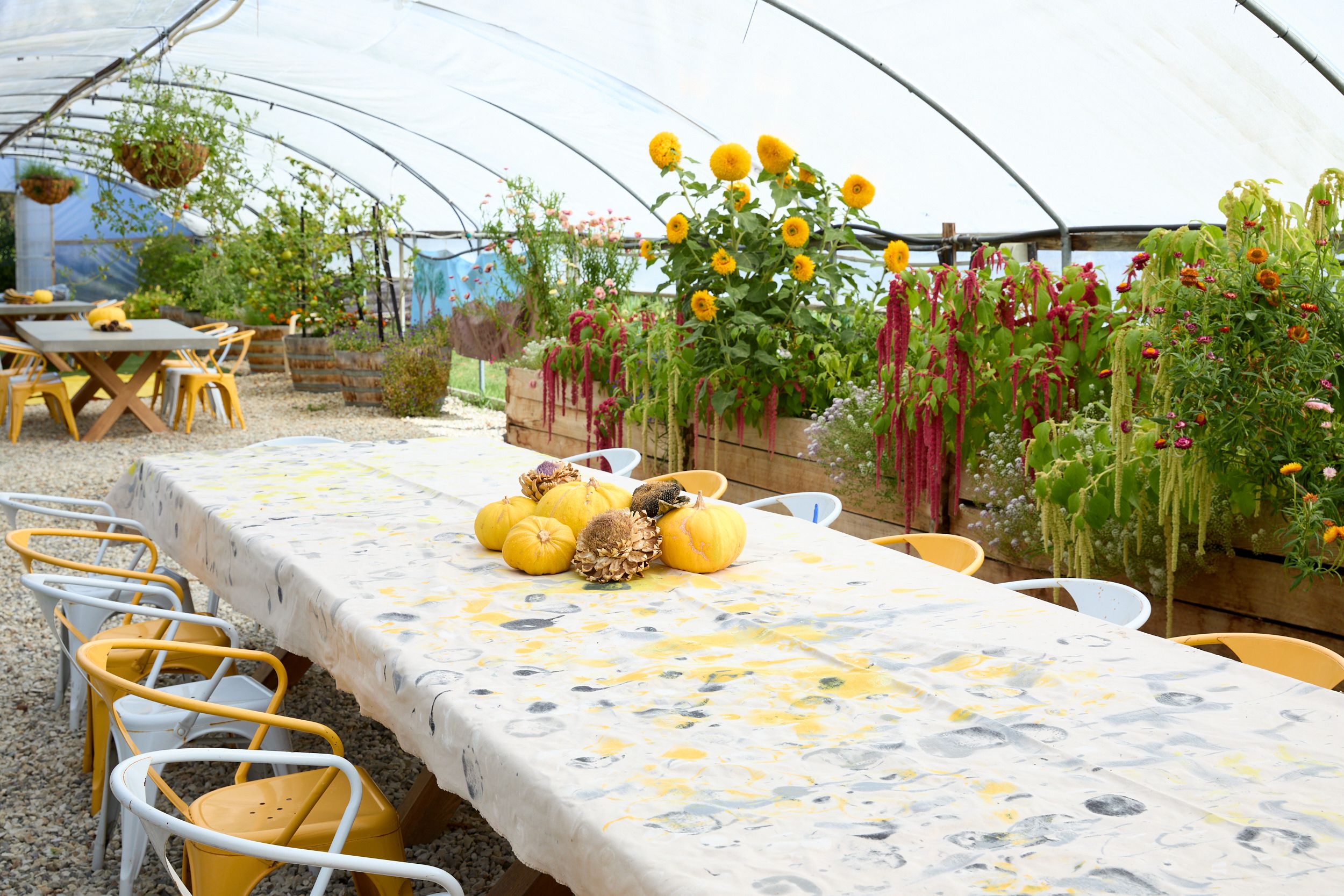
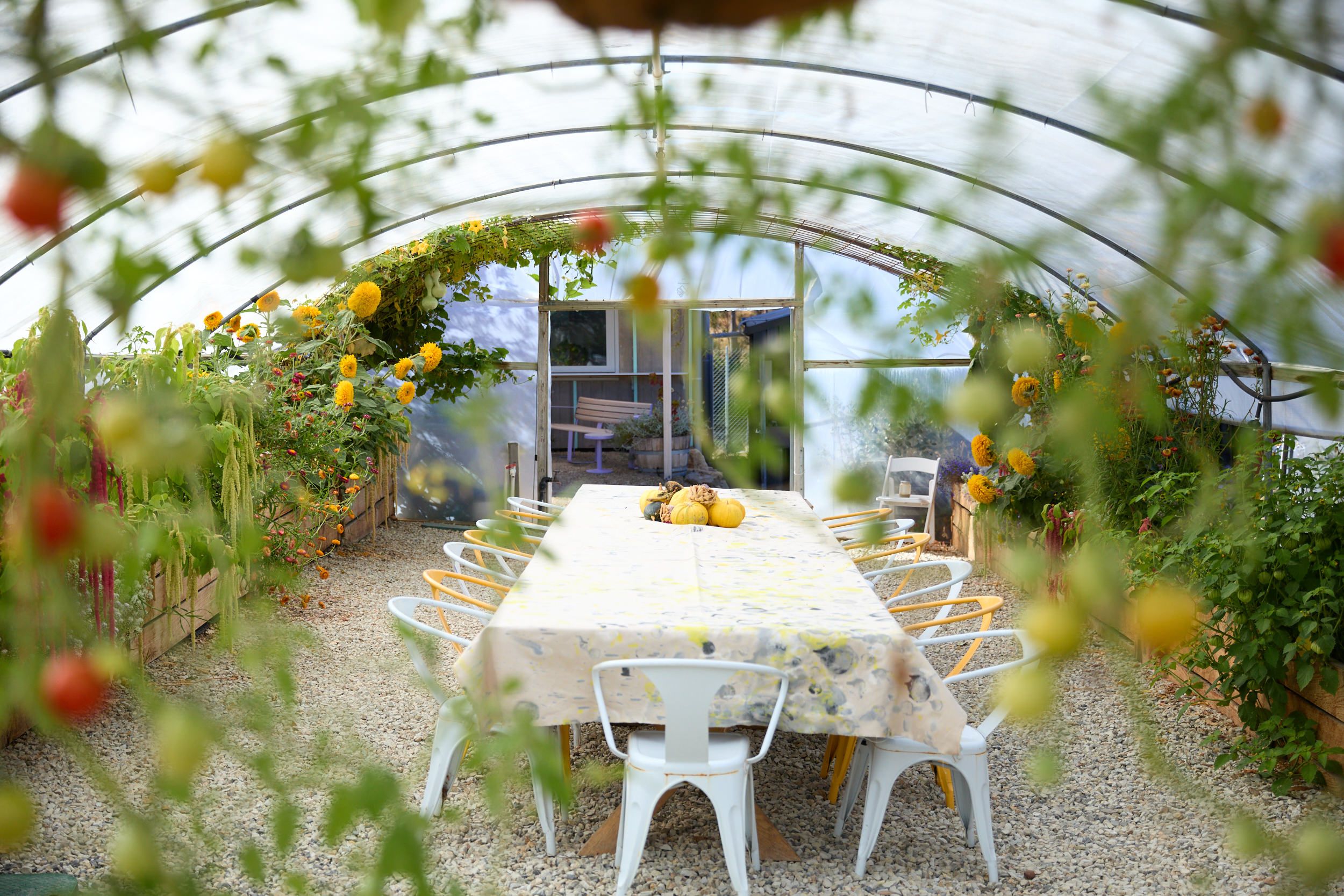
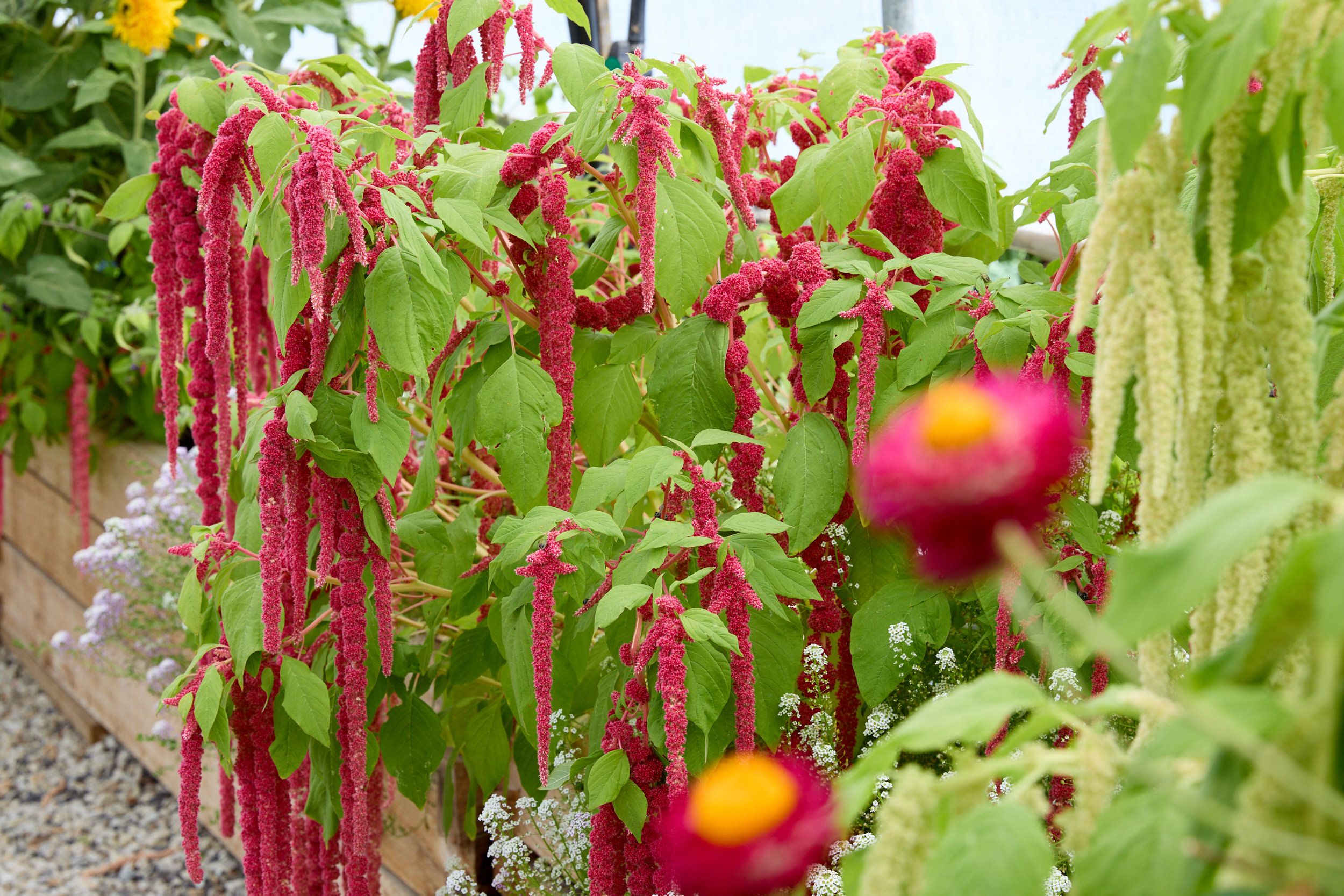
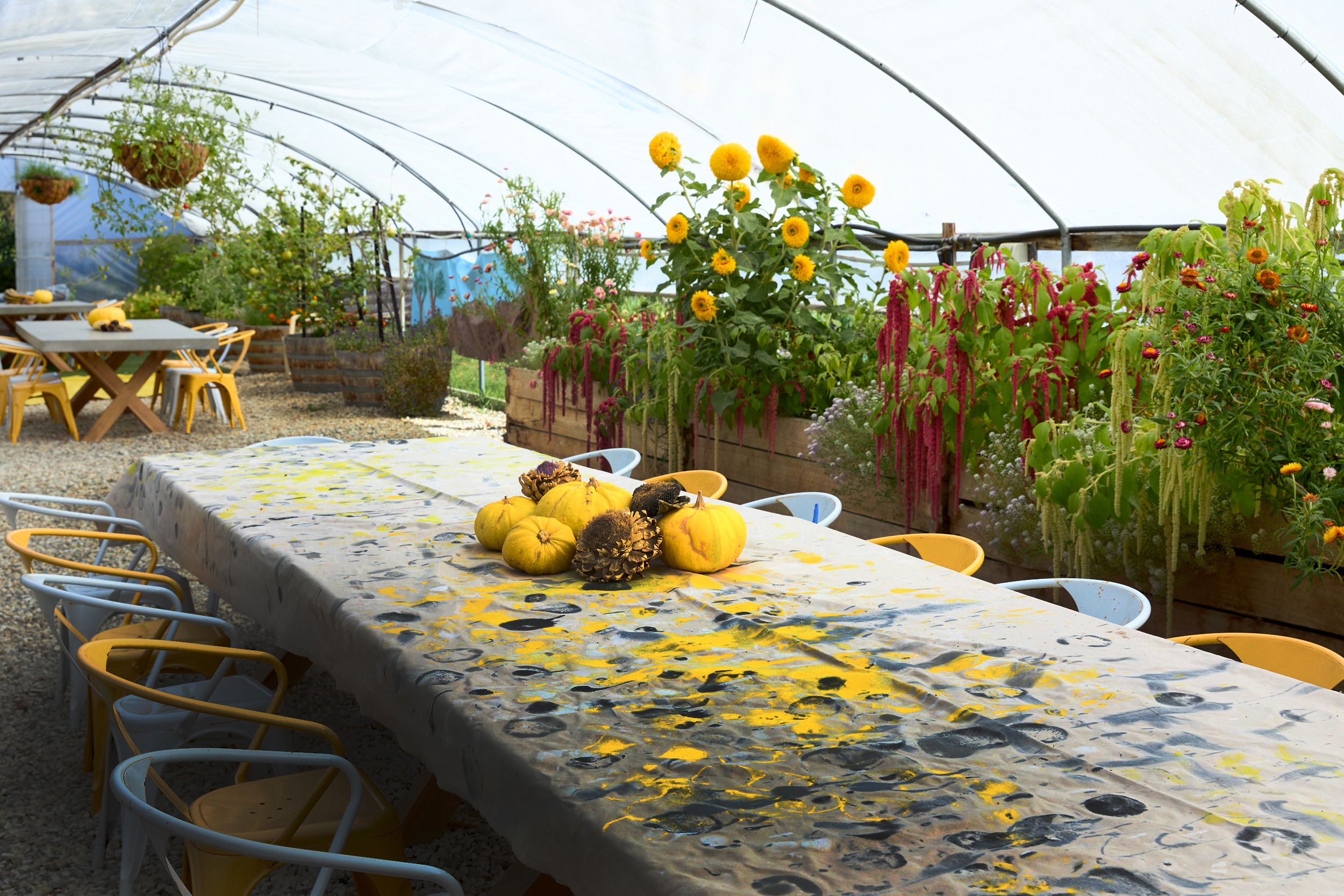
As tangible examples, this is embodied at regular whole-team gatherings, which begin with a practice of reflection through journaling and small-group check-ins. And for the pragmatists curious about what this looks like in daily operations, we use software platforms such as Slack and Monday.com to communicate, track projects and plan together — providing visibility across both individual and collaborative contributions.
Over time, these practices raised a practical question for us as an organisation: how do we hold shared direction while remaining responsive to emergence?
To harness the energy of our growing team and the new responsibilities that come with growth, in October 2024, we cast off on an 18-month learning voyage to articulate our Theory of Change (ToC).
Facilitated by our strategic design and learning partners at Reciproca — Kim Shore and Dave Kaldor — the process was also guided by community partners Connected Beginnings Lutruwita — Raylene Foster and Chloe Woolnough — and Creative Strategist Magdalena Lane.
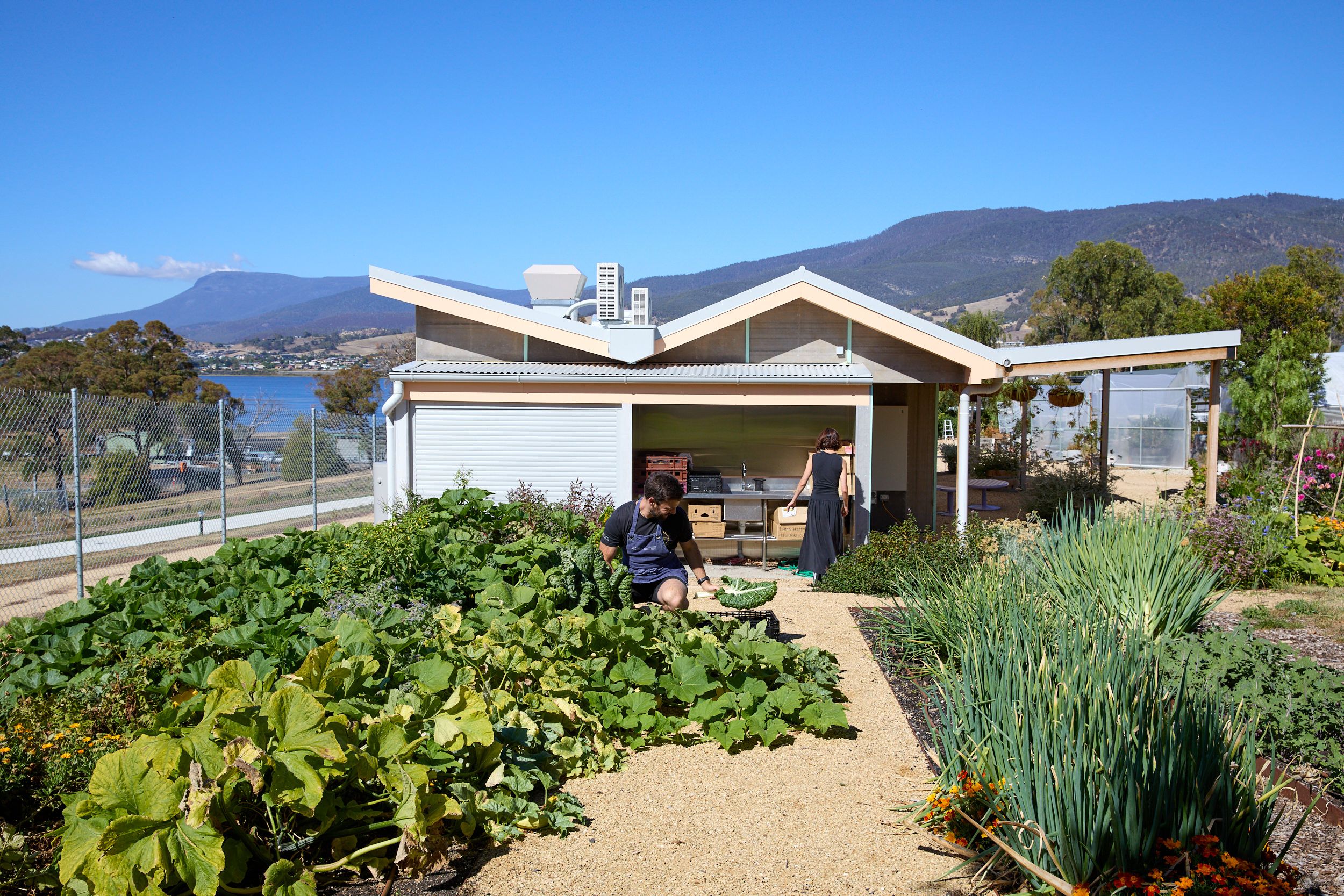
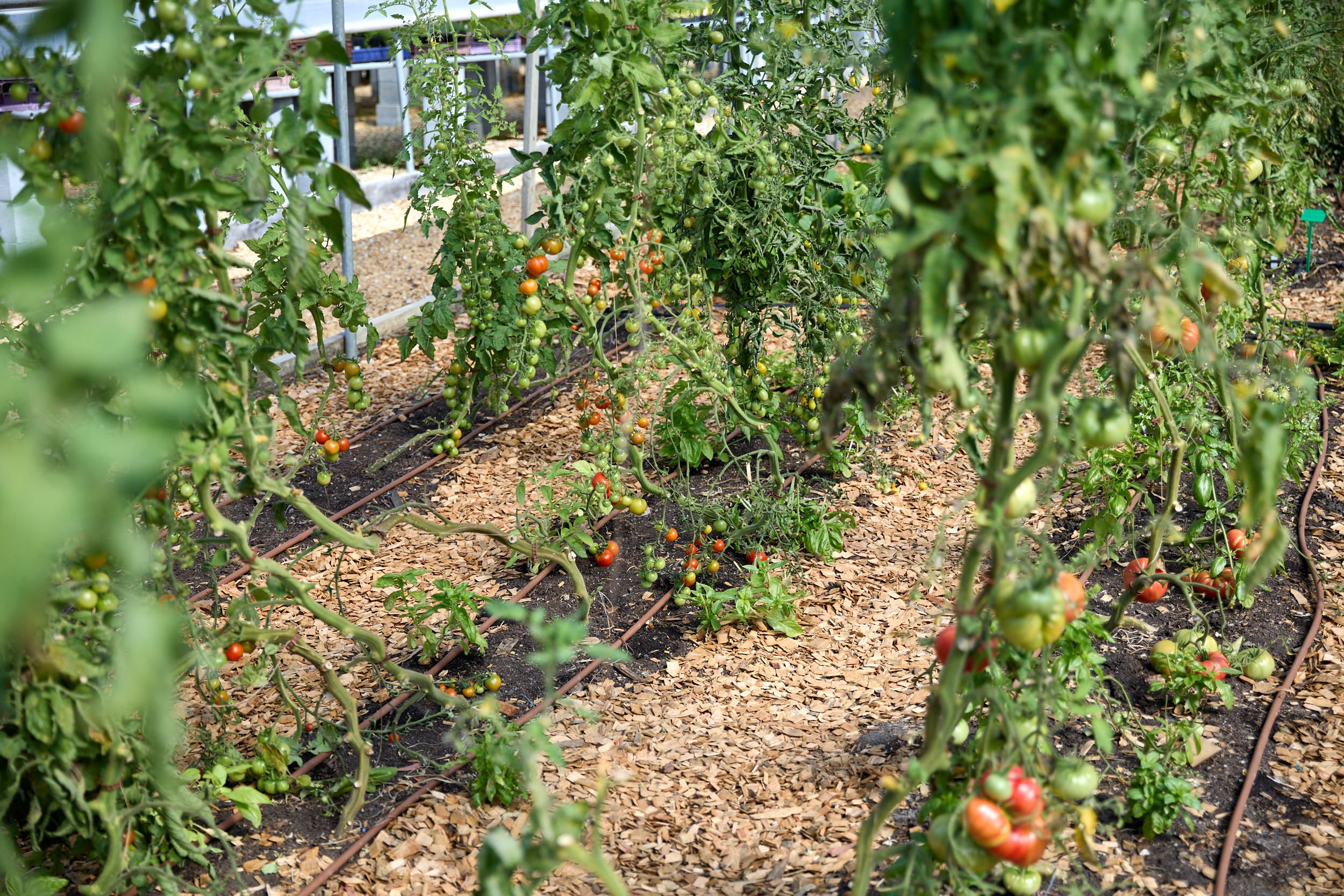
The process invited us to ask difficult questions: What change are we actually seeking? How do gardens, food education and creative practice contribute to systemic transformation? And how do we measure impact in ways that honour complexity rather than solve it?
Throughout 2025, the ToC — as our “compass” — helped guide the pace, flow and direction of our work. When new opportunities arose, we tested them against our ToC for alignment with purpose. When challenges emerged in project delivery, we checked our compass to ensure we were still on track, and that the difficulty was not a signal of mission drift.
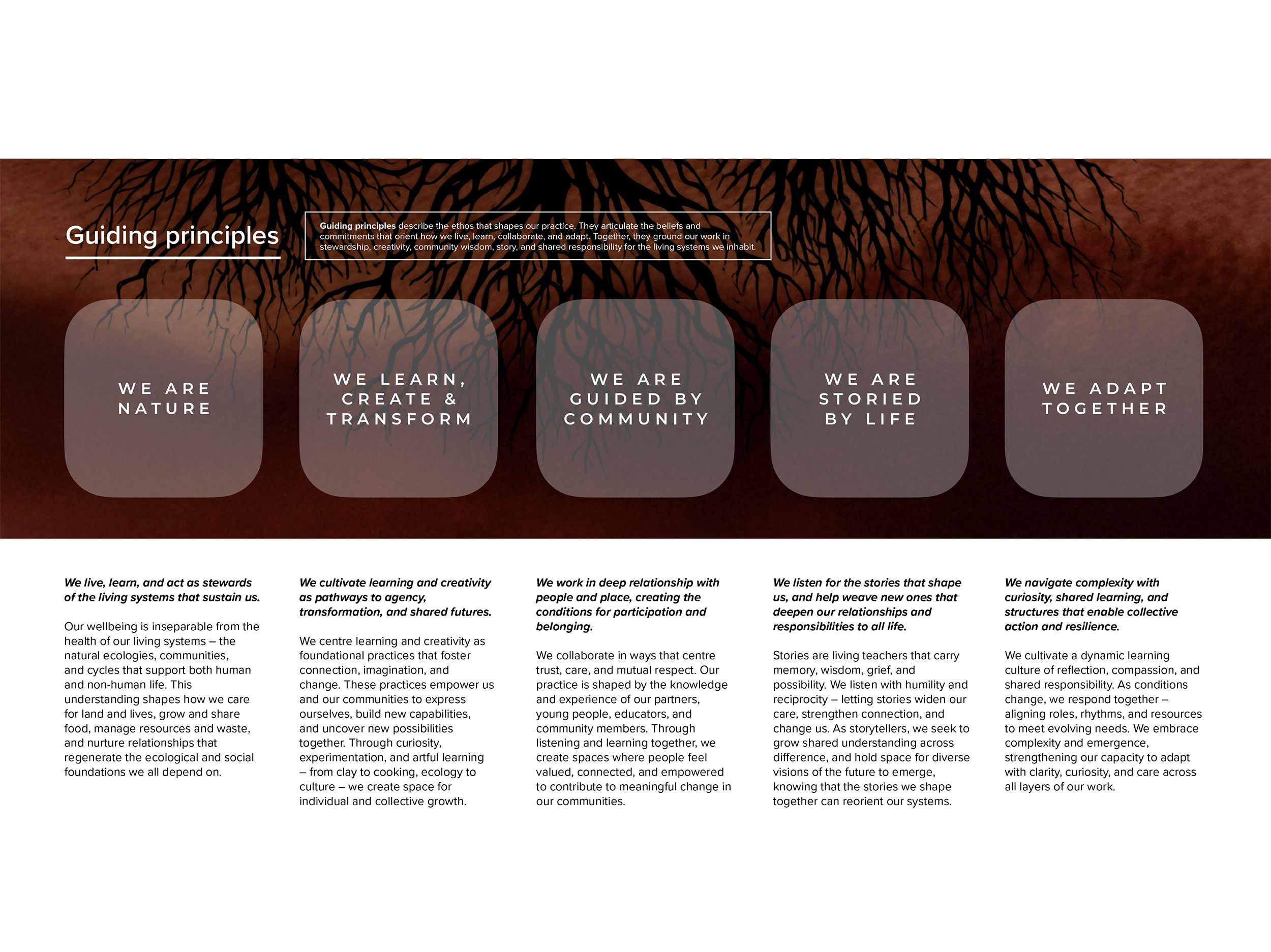
Towards the end of last year, we reflected together on what we had learned and turned our attention to articulating and integrating guiding principles to underpin the ToC, alongside a general simplification of the language.
For us, our principles are the ethos shaping our practice — the commitments that orient how we live, learn, collaborate and adapt together. They ground our work in stewardship, creativity, community wisdom, storytelling and shared responsibility for the living systems we’re part of.
In 2026, we’re testing the second iteration of the ToC, ensuring it remains a living document. Outcomes are held lightly, honouring the complex and entangled social and ecological systems we exist within. In this sense, our ToC reflects our current understanding, providing a foundation for ongoing exploration, social impact measurement, learning and iteration as the system itself evolves.
This phase of defining our Emergent Practice is not so much about creating something new as developing a shared understanding of what already exists — and of what we want to grow at MI.
Over the coming months, we will continue sharing reflections on this journey through ComPOST and our new Substack as a series of stories and insights — not only what can be named or measured, but also what is felt and sensed, glimpsed through the cracks.
In the next seasonal edition, we will share our Theory of Change in full. For now, we’re delighted to introduce our Principles — an integral thread in the living web of MI, and our small contribution to the web of connections from which meaningful change so often grows.
Words by SP, our Material Institute CEO.
If you would like to hear more of these longer form thoughts from us, subscribe to our substack to join the conversation.