
Food Resilience Takes Root in Ravenswood
Food Resilience Takes Root in Ravenswood
March 2026
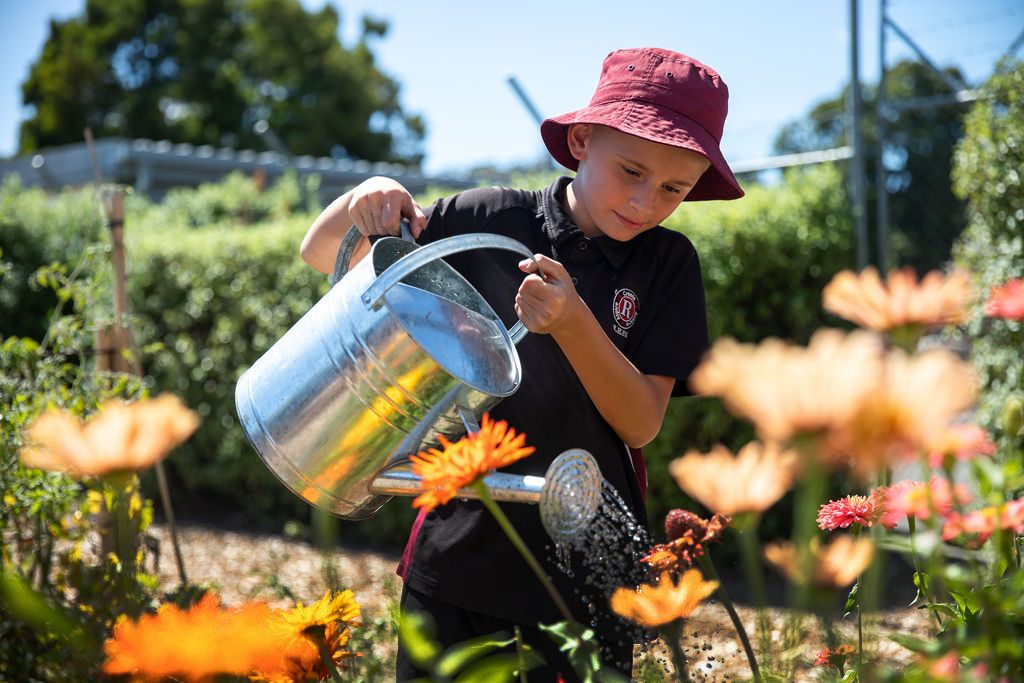
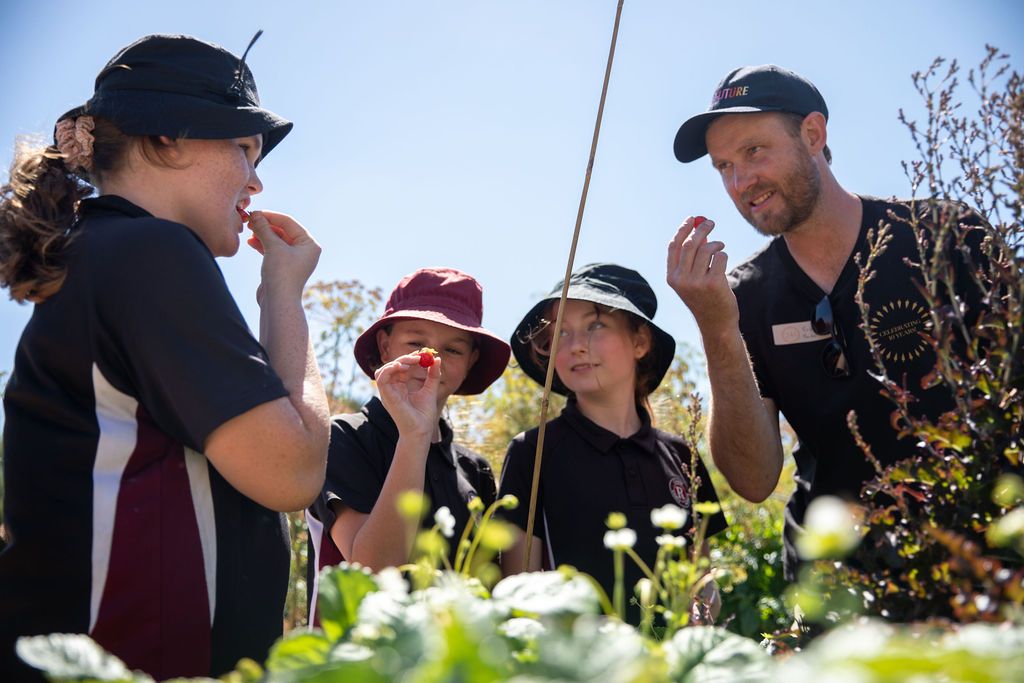
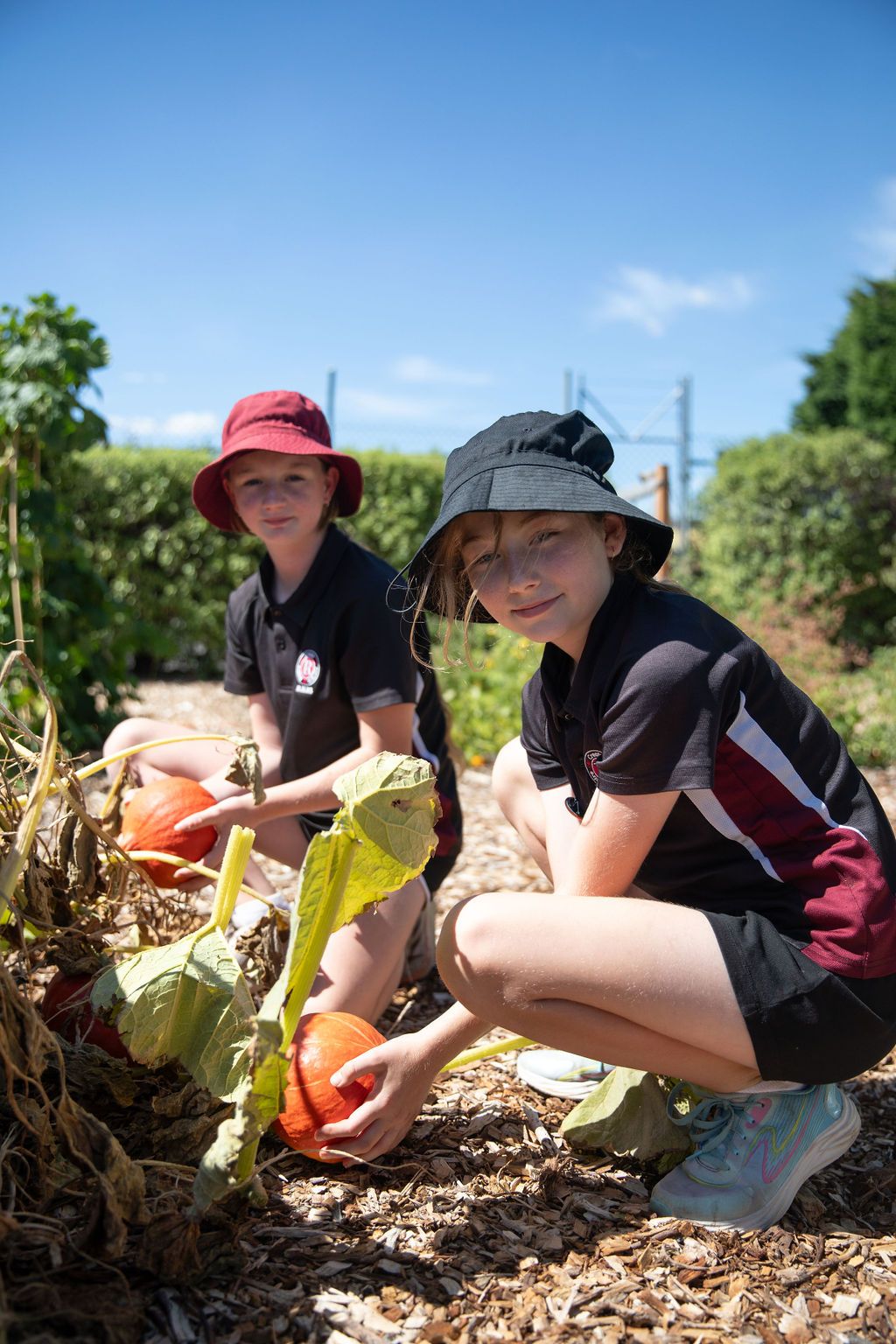
On any given day at Ravenswood Heights Primary School, something quietly transformative is underway. Young students are tending to vegetable gardens, tasting foods they have never tried before and learning the vocabulary of flavour and texture. They are discovering that food doesn’t just appear on a plate — it grows, changes with the seasons, is shared and connects people. For Ravenswood, a community facing daily pressures of unemployment, cost of living and limited access to fresh and affordable food, these moments matter. They are part of a long-view intentional effort to shift food culture through hands-on experience, repetition and care.
Stewarding this work is Bron Strange, Kitchen Specialist for the 24 Carrot Gardens program, who also works across the complementary School Food Matters (SFM) lunch program. Together, these two initiatives form a powerful and interconnected response to food insecurity in the community — one through meeting immediate nutritional needs and expanding tastes, the other through building practical skills, confidence and curiosity that underpin long-term food resilience.
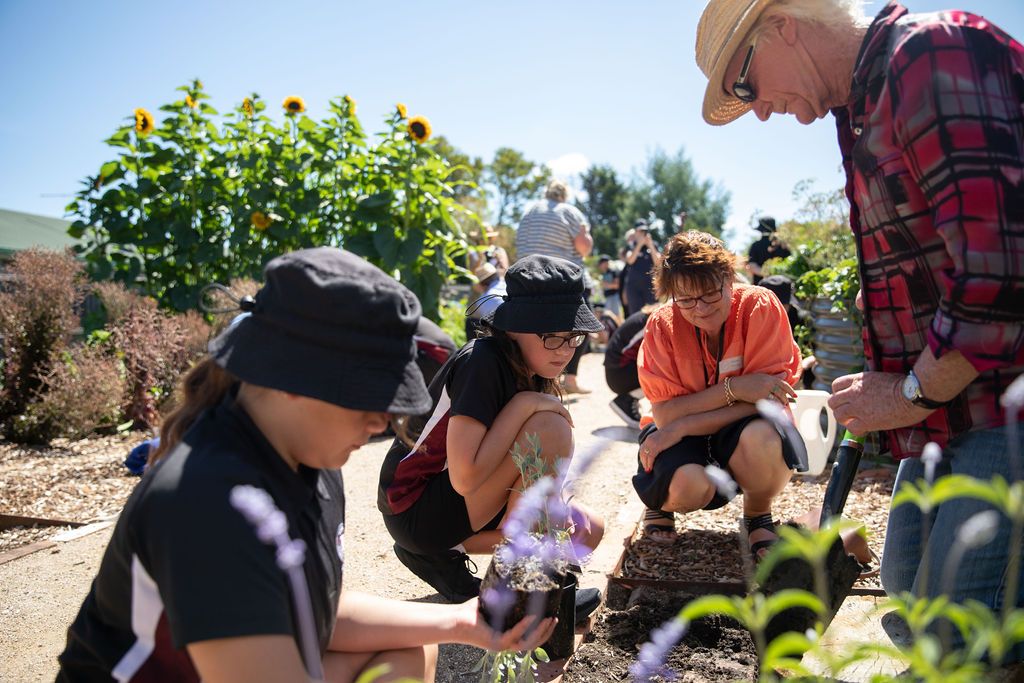
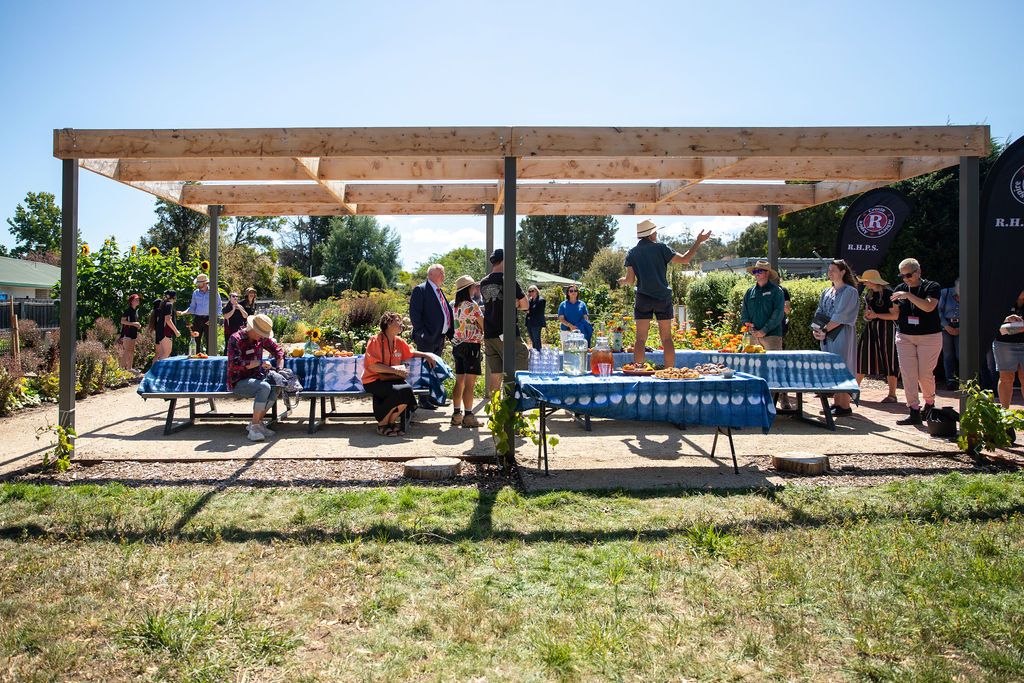
Before joining 24 Carrot Gardens, Bron worked for 15 years as a professional chef in restaurant and cafe kitchens across the state. Stepping into a primary school was not an obvious next move, but piqued Bron’s interest when she heard about the role through a friend. ‘I’ll give it 12 months and see,’ Bron recalls thinking, ‘it was a whole new experience for me, and it was a little overwhelming at first, but then I just fell in love with it. I fell in love with the role and what the program is trying to achieve.’
Two years on, what keeps Bron here is not just the food, but what happens around it: ‘The kitchen garden teaches team work, and helps students develop flexibility and resilience. Sometimes the weather isn’t our friend and we have to change plans, sometimes things work and sometimes they don’t. In the garden and kitchen kids feel like they can achieve things in a relatively short space of time, and I enjoy seeing the way this activates their self esteem and confidence.’
Over time, the program has intentionally broadened students’ outlook through food and conversation, introducing recipes from different cultures and linking ingredients and tastes to stories and meaning. Students are also learning new ways to talk about food, moving beyond ‘urgh, disgusting!’ to build vocabulary around taste, texture and preference, which extends into positive participation in social food settings. Students now arrive at school excited about food, often approaching Bron in the playground or hallway to update her about their home cooking adventures, or ask what’s on the menu for lunch. Bron and the school leadership team reflect that it’s been a joy to see students embrace dishes like fresh gnocchi with tomato sauce and eggplant curry as favourites.
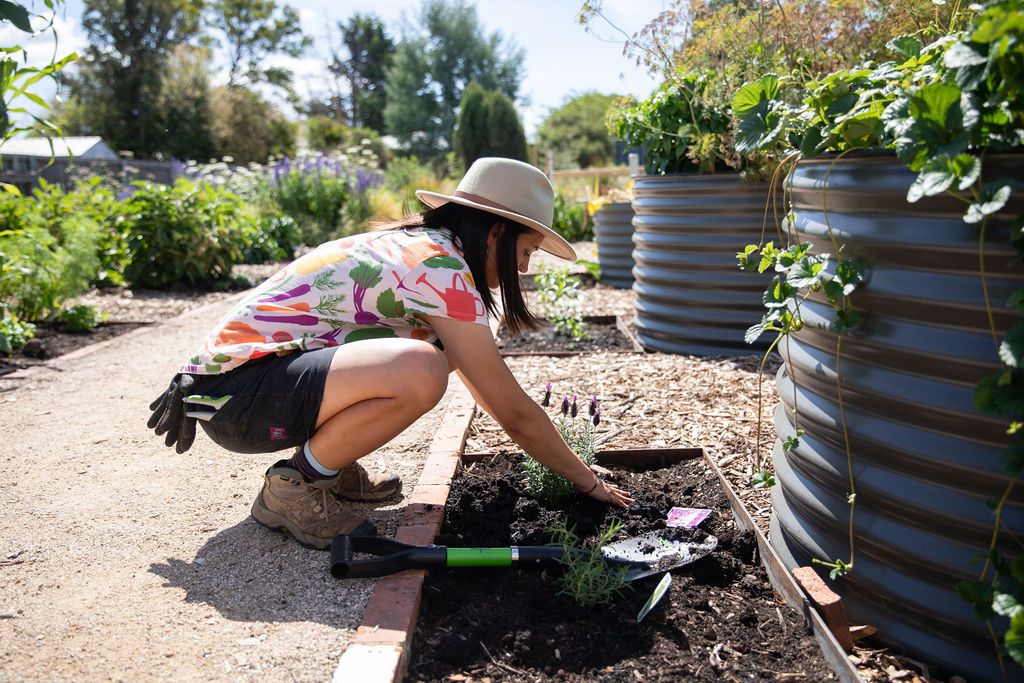
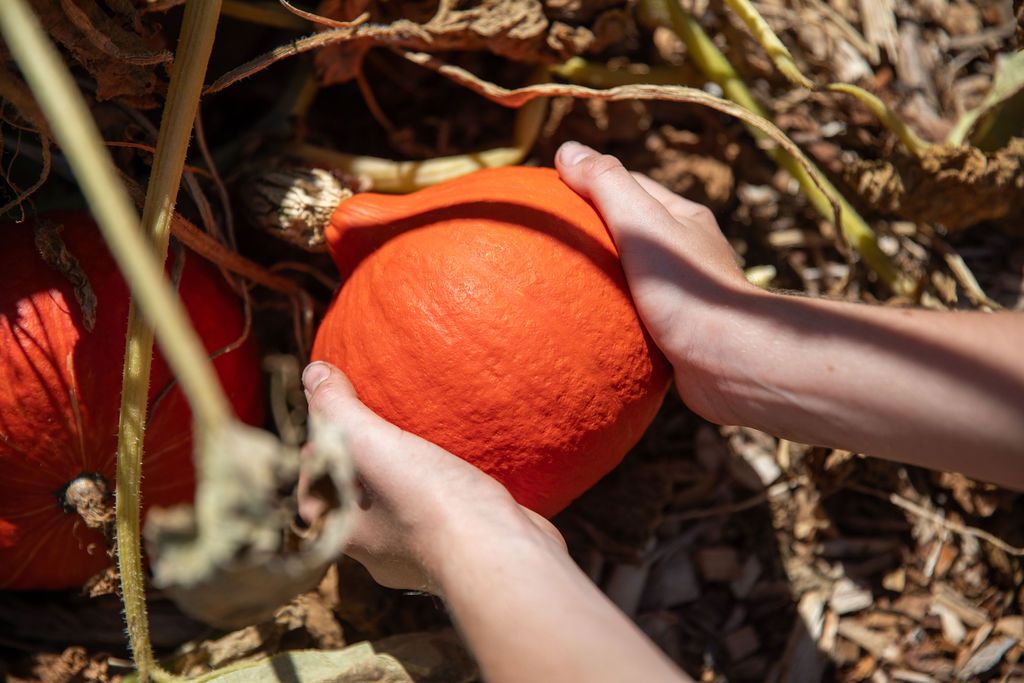
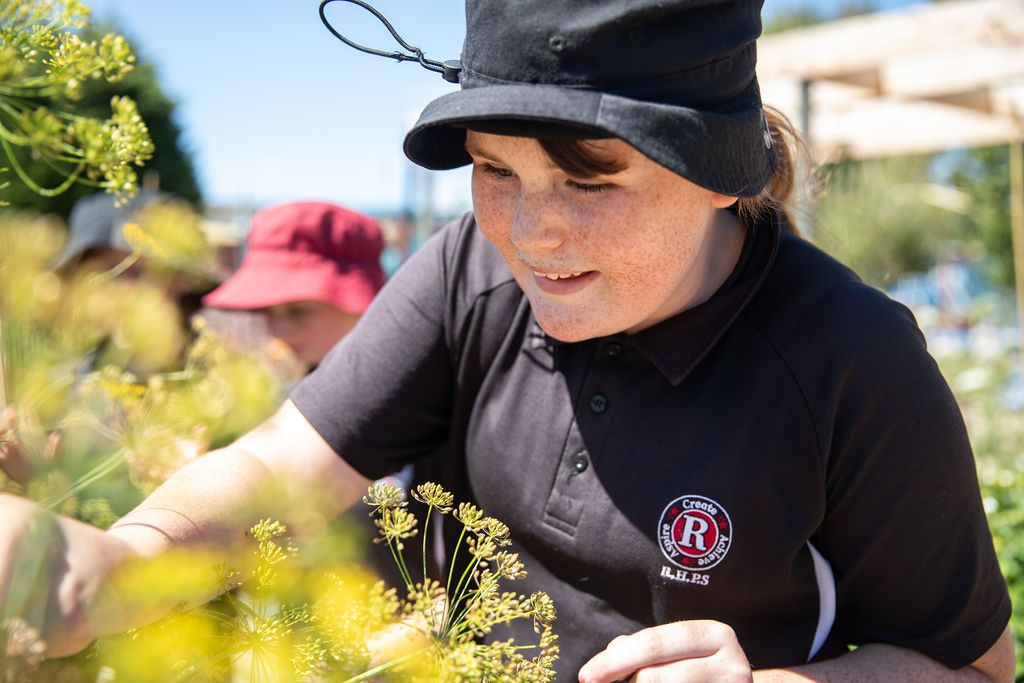
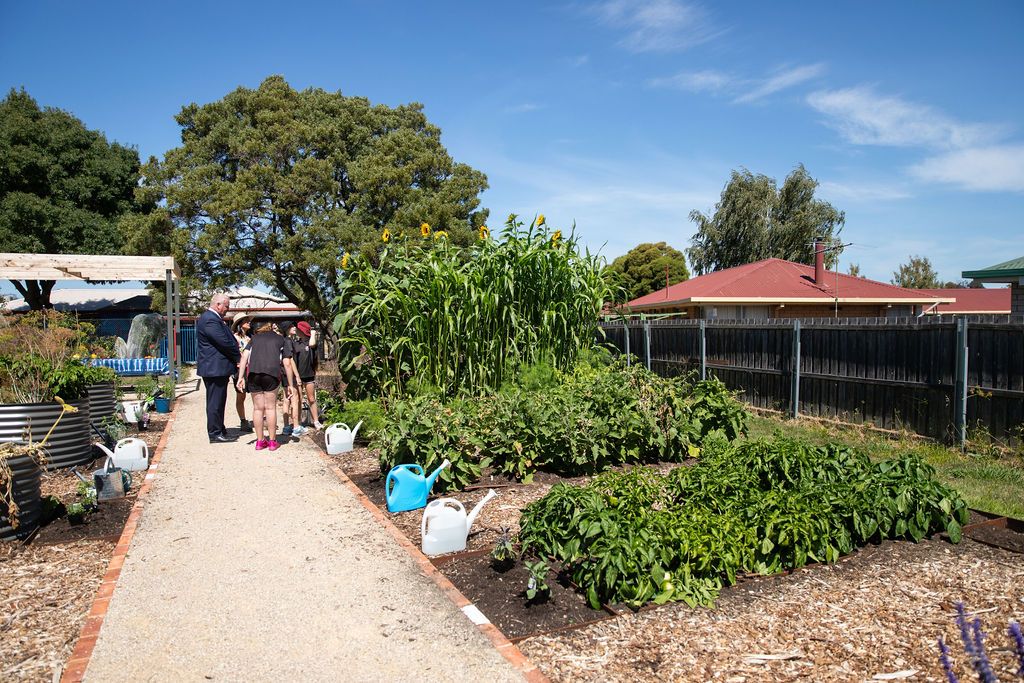
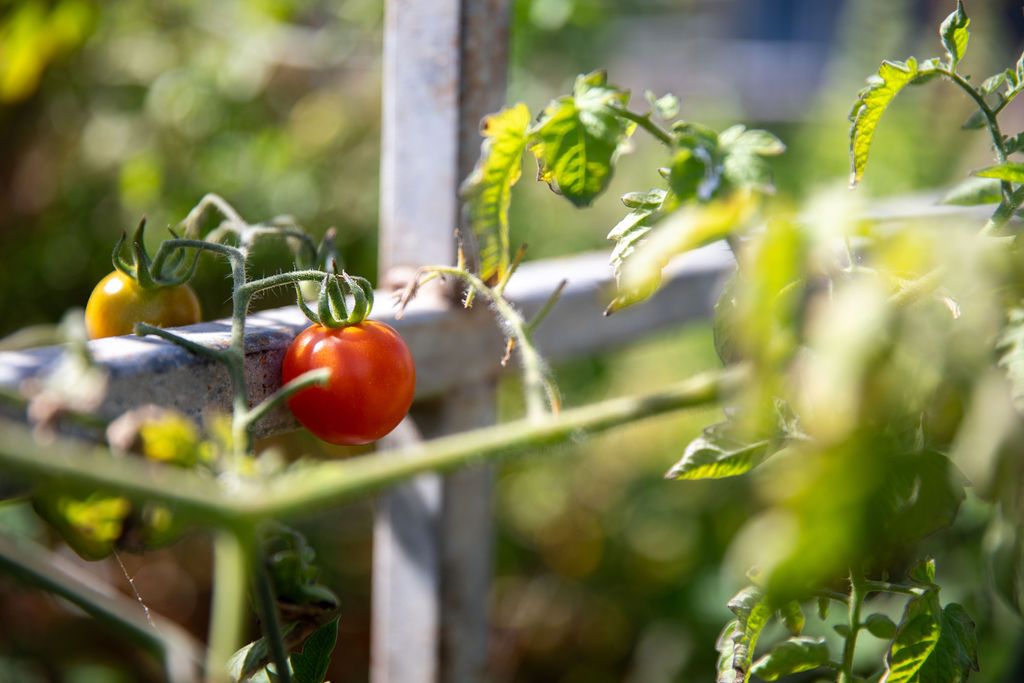
Deepening the connection between the garden and kitchen is ongoing, with Bron and Garden Specialist, Thanh Nguyen, working closely on crop planning for the year ahead so that even more of the produce that students grow themselves ends up in the recipes they cook and eat. As term one unfolds, the pair are focused on striking a balance between familiar fruits and vegetables alongside a few that are more adventurous — an approach grounded in safety, to build confidence while gently extending students’ culinary experiences. They are also getting creative with outdoor cooking methods, al fresco dining, and a student-led composting system where food scraps are returned to the garden through a playful Com-POST letterbox. This simple, daily action completes a visible cycle from plate to soil to plant, building students’ awareness of sustainability, care and interconnected systems.
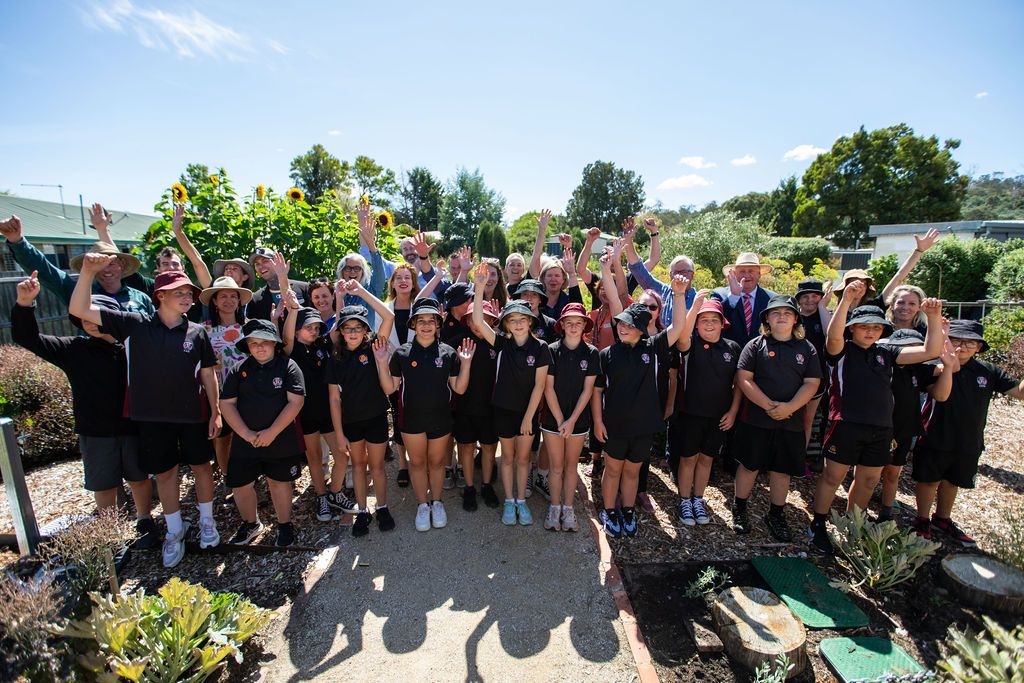
The work of 24 Carrot Gardens unfolds slowly and relationally, sowing seeds that can take years to reveal their full impact beyond the garden and school gate. Bron, Thanh and the Ravenswood Heights school community recognise this long view and hold it with care and consistency, while also celebrating the signs of positive change already taking root: ‘Sometimes cultural change takes time and effort. You need to take the long view. Those little pieces of learning you bring to your students every day add up over time. You might not see the difference straight away but it is happening quietly and steadily and when you see it, even in the small things, that needs to be recognised and celebrated.’
Photos by Mel de Ruyter